When Should You Use Multi-Agent AI? (And When It's Overkill)
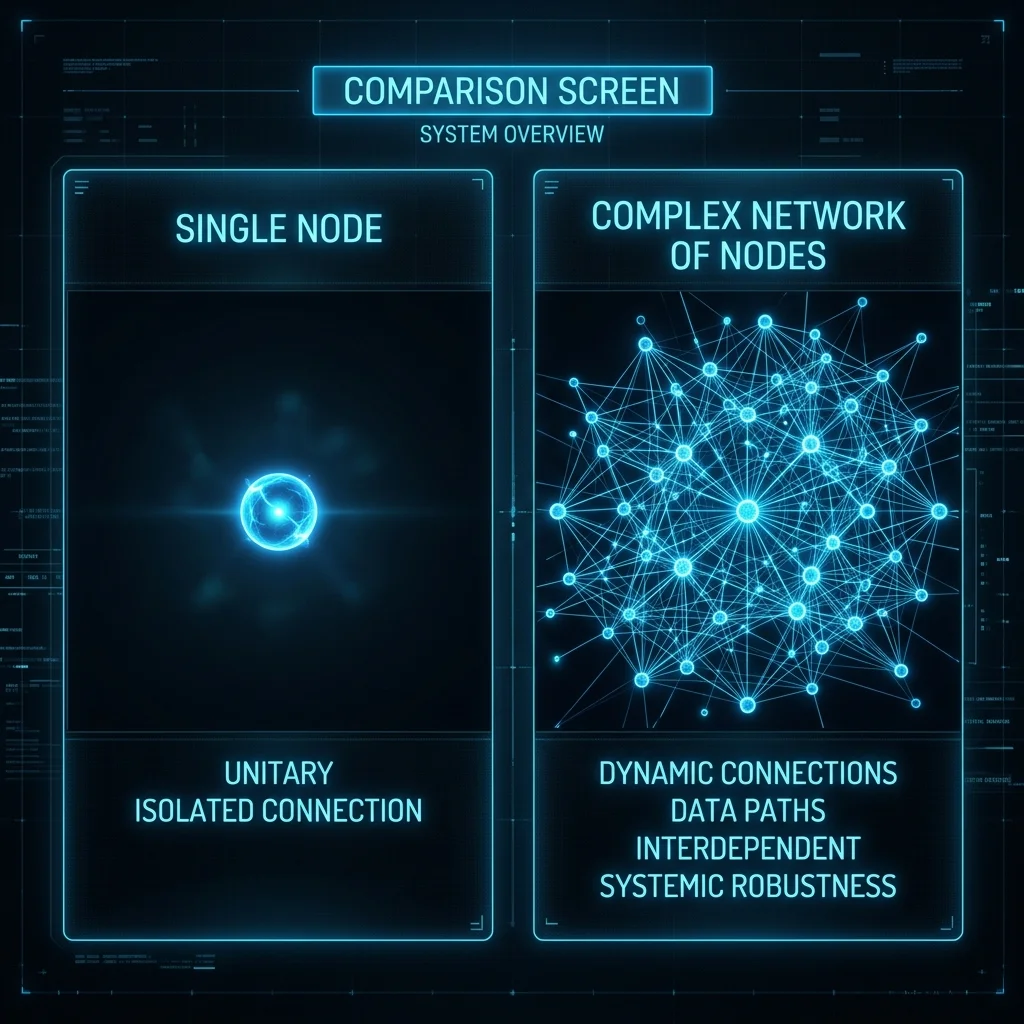
When Should You Use Multi-Agent AI? (And When It's Overkill)
The excitement around multi-agent systems is massive. Software newsletters and tech feeds showcase teams of autonomous agents building apps, running marketing campaigns, and performing research without human intervention.
However, in production environments, multi-agent architectures are often over-engineered. They introduce high latency, consume millions of redundant loop tokens, and increase total cost of ownership (TCO) unnecessarily.
Knowing when to stick to a single-prompt or single-agent tool call vs. when to transition to a multi-agent system is a critical software design skill.
1. Comparing Agent Architectures
We can break down LLM interaction topologies into three tiers:
1.1 Single Call (Zero-Shot)
- Design: A user submits a query; a model returns an output.
- Best For: Simple translations, classifications, sentiment reviews, and single-field data extractions.
1.2 Single Agent (Tool Loop)
- Design: One model runs a loop with access to tools (e.g., executing SQL commands or running searches) and validates its own output.
- Best For: Contextual RAG lookup, database queries, and direct task automations.
1.3 Multi-Agent Network
- Design: Multiple specialized model instances pass messages, review each other's outputs, and run in coordinated workflows.
- Best For: Highly complex codebases, multi-stage audits, and collaborative analysis tasks.
2. Evaluation Decision Matrix
Before building, evaluate your workflow against these architectural parameters:
| Workflow Requirement | Single Agent | Multi-Agent |
|---|---|---|
| Task Complexity | Single focus (e.g. write code) | Multi-role (e.g. write, audit, deploy) |
| Tool Count | Low (< 5 tools) | High (> 10 specialized tools) |
| Output Constraints | Simple text/JSON | Complex multi-stage documents |
| Latency Targets | Low (< 5 seconds) | High (minutes or hours) |
| Target Budget | Low ($0.01 per run) | High ($0.50+ per run) |
3. The Multi-Agent Tax: Cost & Latency
When 5 agents run in a loop, every handoff requires compiling and re-submitting context history. This results in exponential token consumption.
If a single-prompt extraction costs $0.001, a multi-agent loop running research, auditing, and edits can quickly exceed $1.00 per run. Only deploy multi-agent graphs when the quality improvement outweighs the latency and cost overhead.